That simple question is the spark behind the Materials Science of Soccer kit — a portable outreach tool designed to transform one of the world’s most familiar objects into a gateway for scientific discovery.
This activity was created by scientists at the Center for Molecularly Optimized Networks (MONET): Dr. Haley Beech (MIT), Dr. Vanessa Rosa (Duke University), and Dr. Rebekka Klausen (Johns Hopkins University), with editing by Patti Galvan of the American Chemical Society.
Each kit comes with deconstructed soccer balls, hands-on experiments on elasticity and water repellency, a facilitator’s guide, and even stickers that reinforce the key question: “What’s inside a soccer ball?”
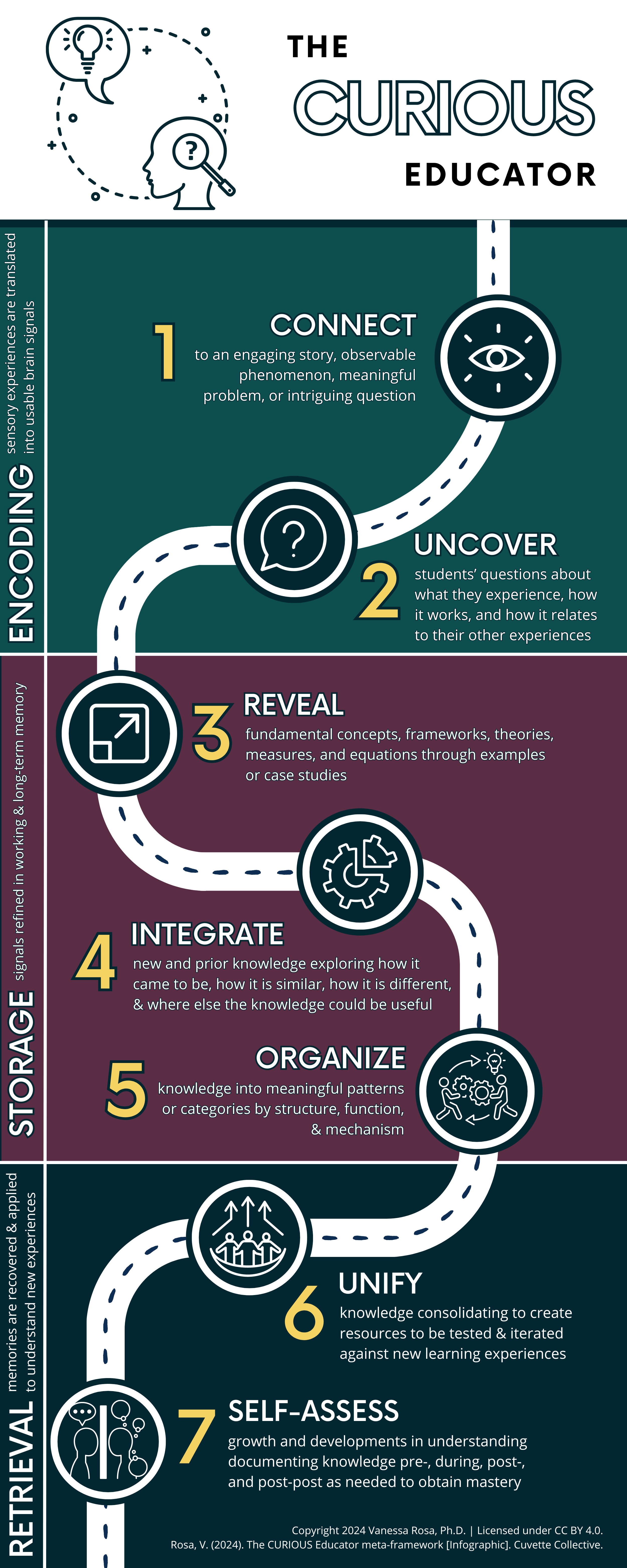
The structure is simple, effective, and aligns with the cognitive stages of brain learning and encoding as established by the CURIOUS Educator Metaframework:
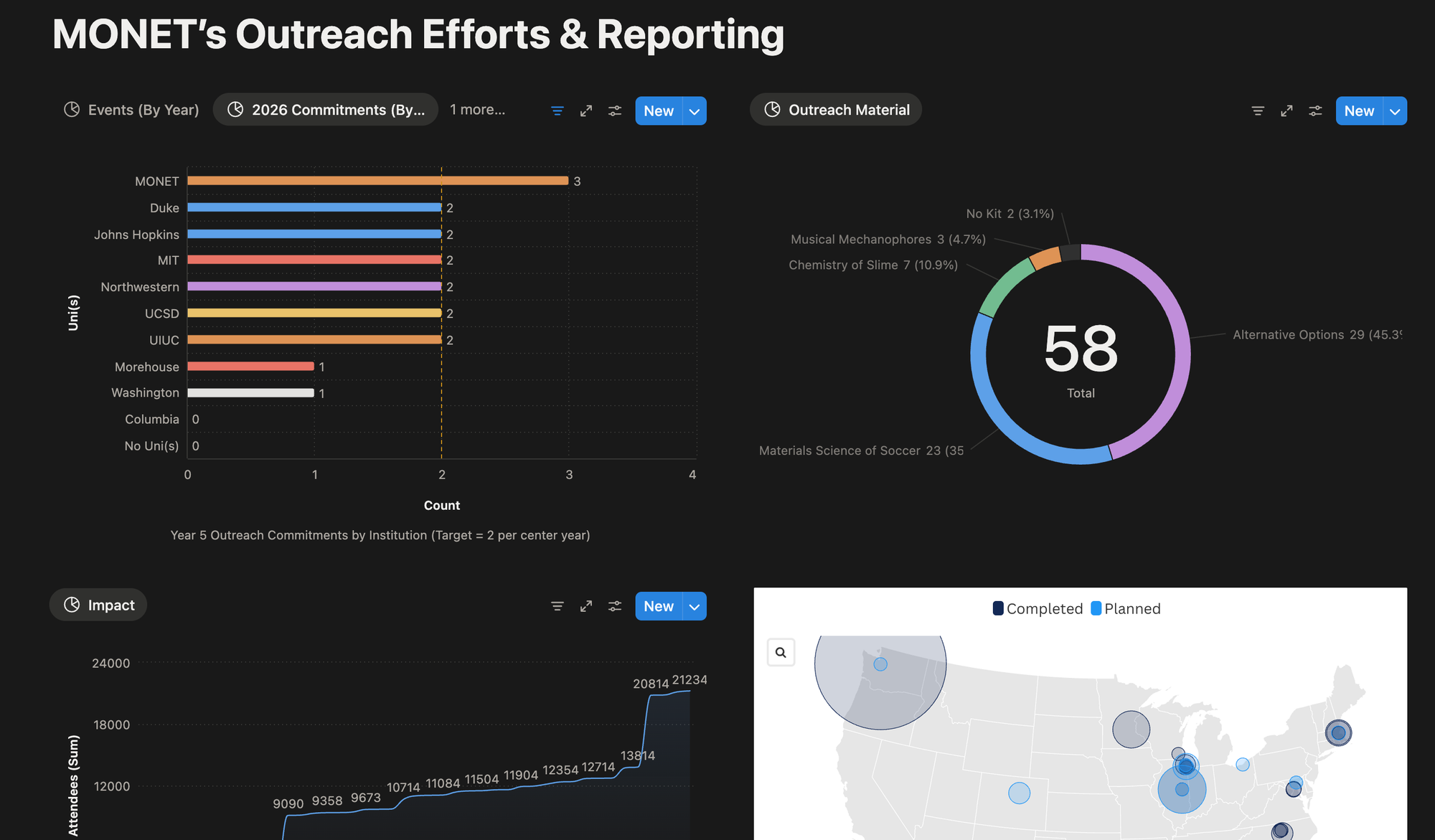
Because of its simplicity, adaptability, and surprise factor, the kit has reached nearly 10,000 learners across 10+ outreach programs in under two years.
Key Findings at a Glance
- Reach is broad and scalable — nearly 10,000 learners engaged in under two years, across settings ranging from 13-student classrooms to festivals with 30,000 visitors.
- Conceptual understanding deepens — at ACS Kids Zone, 50.9% of participants shifted from sensory descriptions (“squishy”) to molecular reasoning about polymers and bonds.
- Sustained exposure reinforces learning — in Chicago summer camps, 80% of students reported both greater interest in science and stronger grasp of core concepts after five weekly sessions.
- Adaptability ensures effectiveness — the same kit has produced measurable outcomes across diverse contexts, from targeted outreach for 30 girls in San Diego to public demonstrations for hundreds at Cambridge Science Festival.
Learn more here in the Outreach Impacts Database I created for MONET:
Scale, Depth, Duration (SDD) Impact Statement
The Materials Science of Soccer kit demonstrates strong SDD impact:
- Scale: Nearly 10,000 learners engaged across 10+ outreach programs, from small classrooms to national festivals.
- Depth: Documented cognitive transformation, e.g., 50.9% shift from sensory to molecular explanations at ACS Kids Zone, 80% gains in science interest and understanding in Chicago.
- Duration: Sustained follow-up, such as Dr. Juana Mendenhall’s ongoing work with the same Atlanta cohort year-over-year, ensures long-term engagement beyond a single activity.
This SDD profile highlights the kit’s rare ability to work at both breadth and depth, while leaving lasting impressions that extend well beyond the event itself.
Learn more about the SDD Framework here:
 Vanessa Rosa, Ph.D.
A Familiar Object, A Surprising Lesson
The magic of the kit is its relatability. Soccer is the world’s most popular sport, and children already bring their own experiences with the ball. The moment when the ball is cut open to reveal its hidden layers provides the “wow” factor — and it’s more than a gimmick.
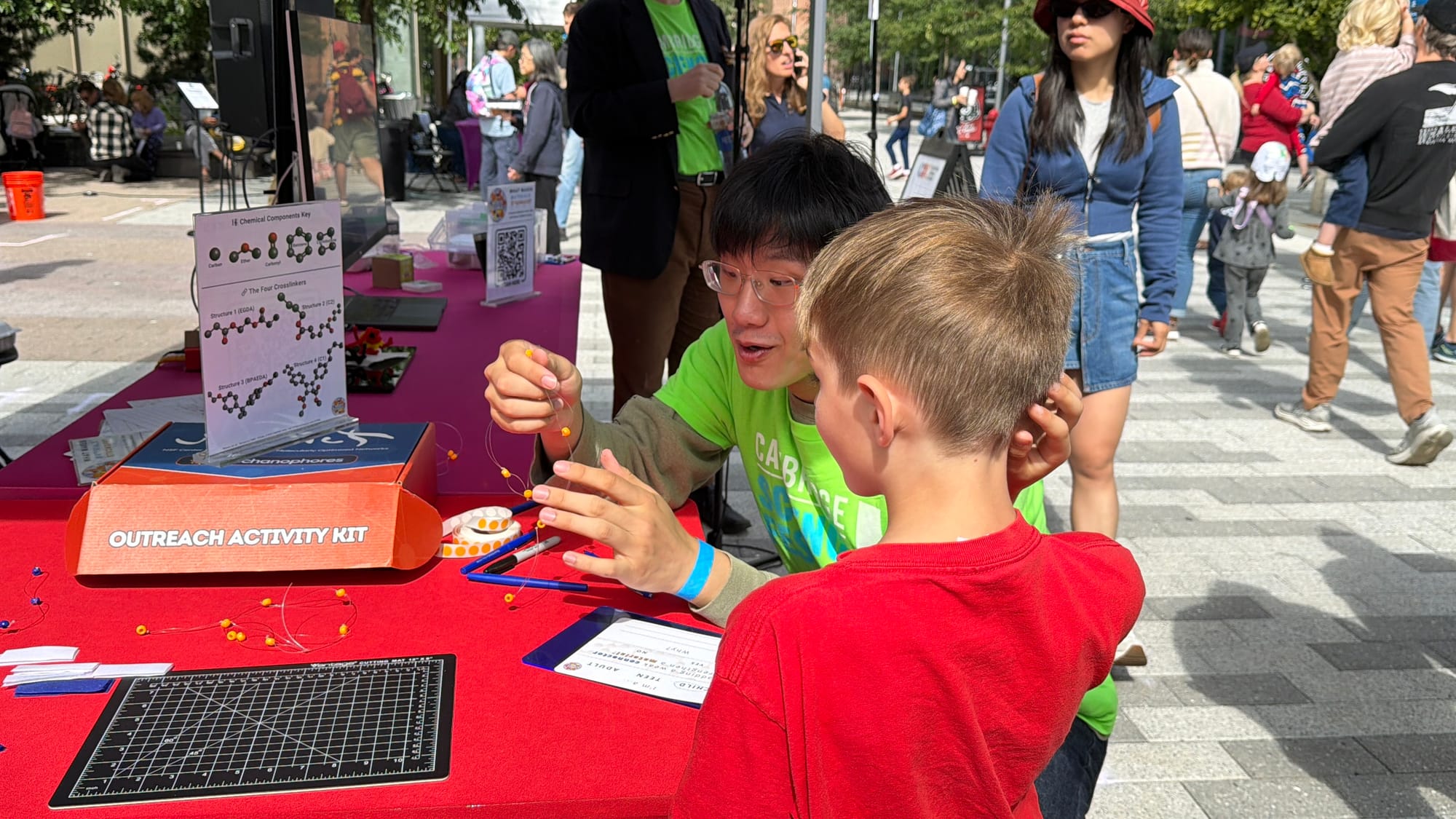
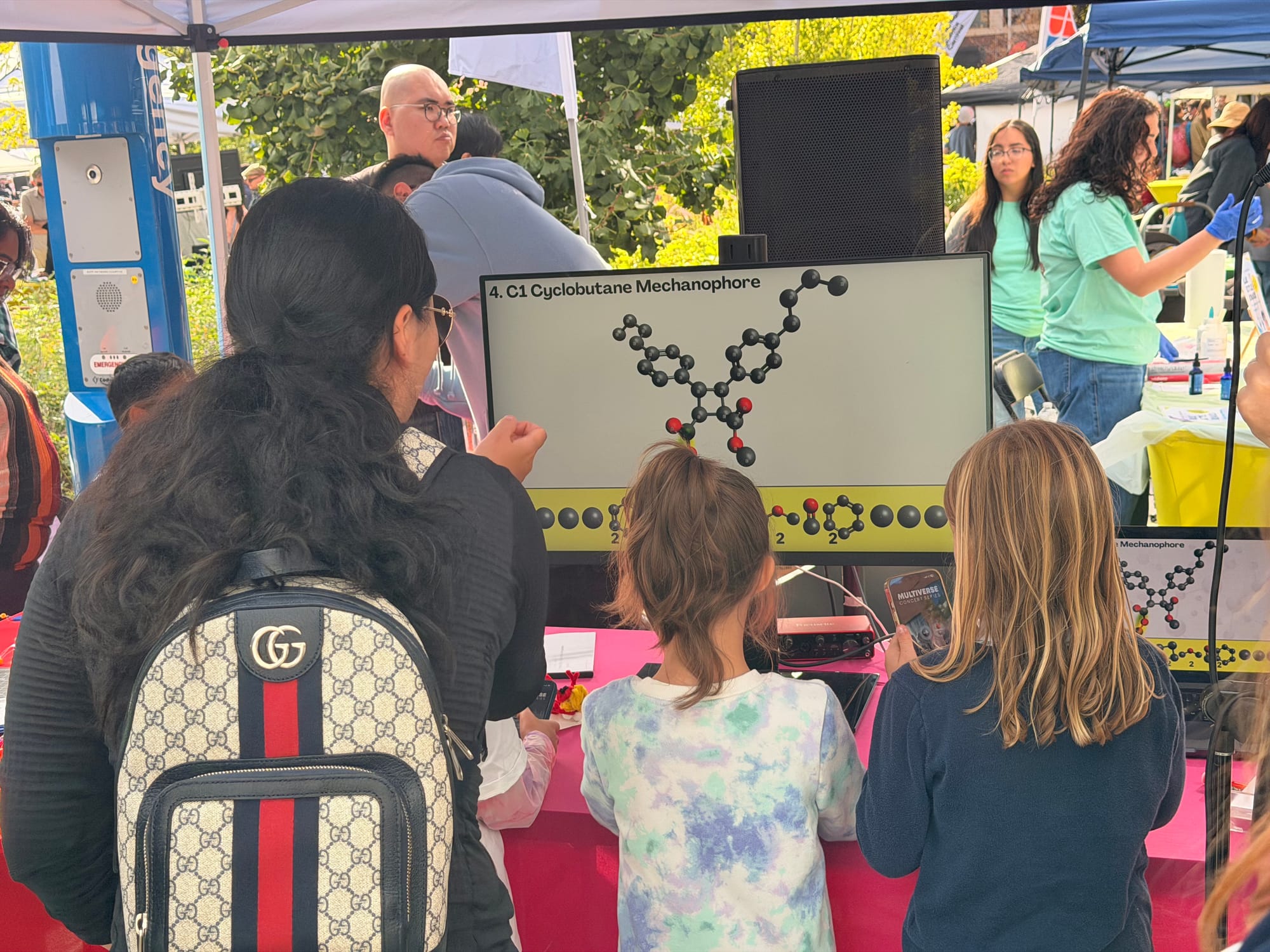
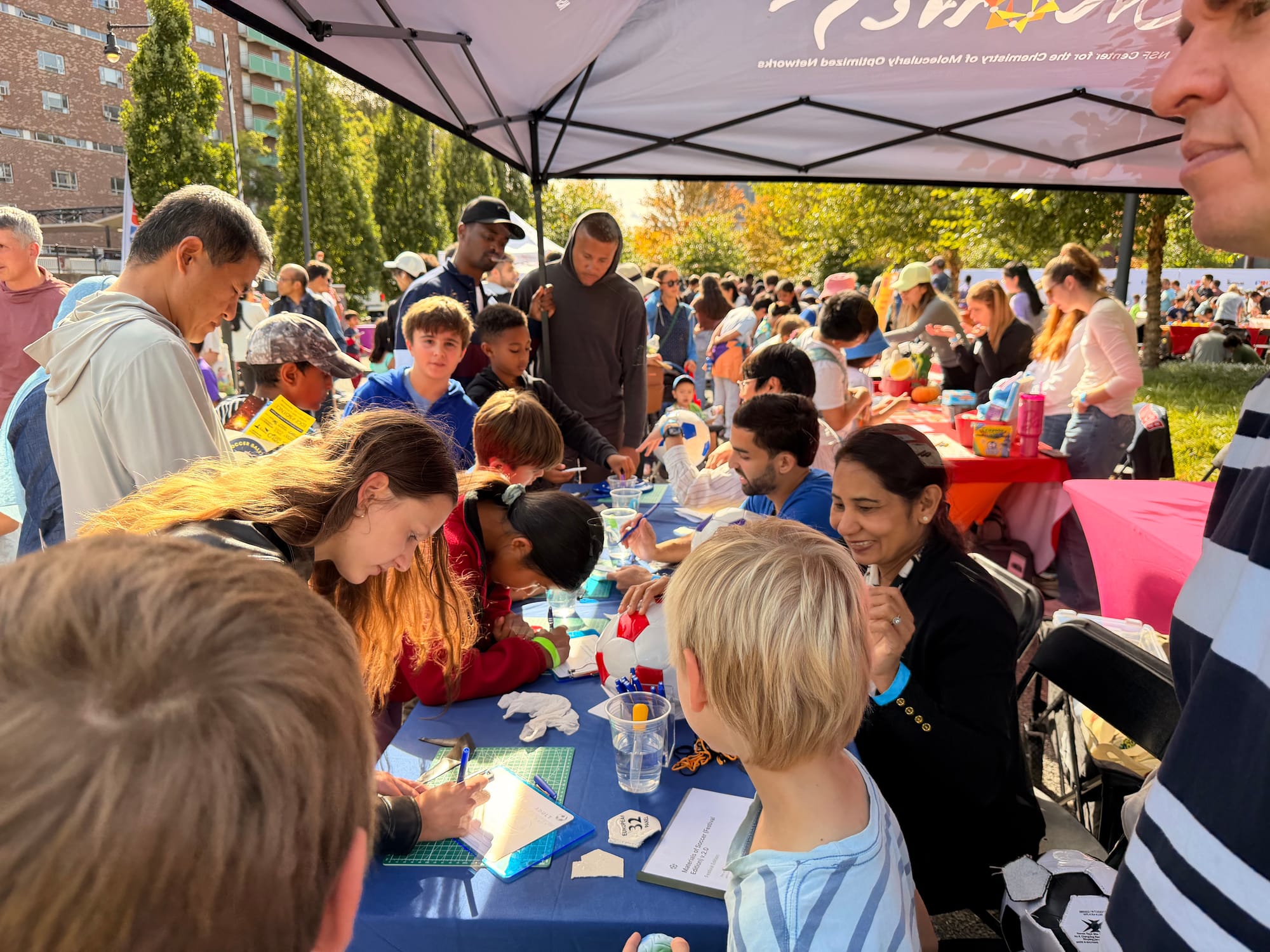
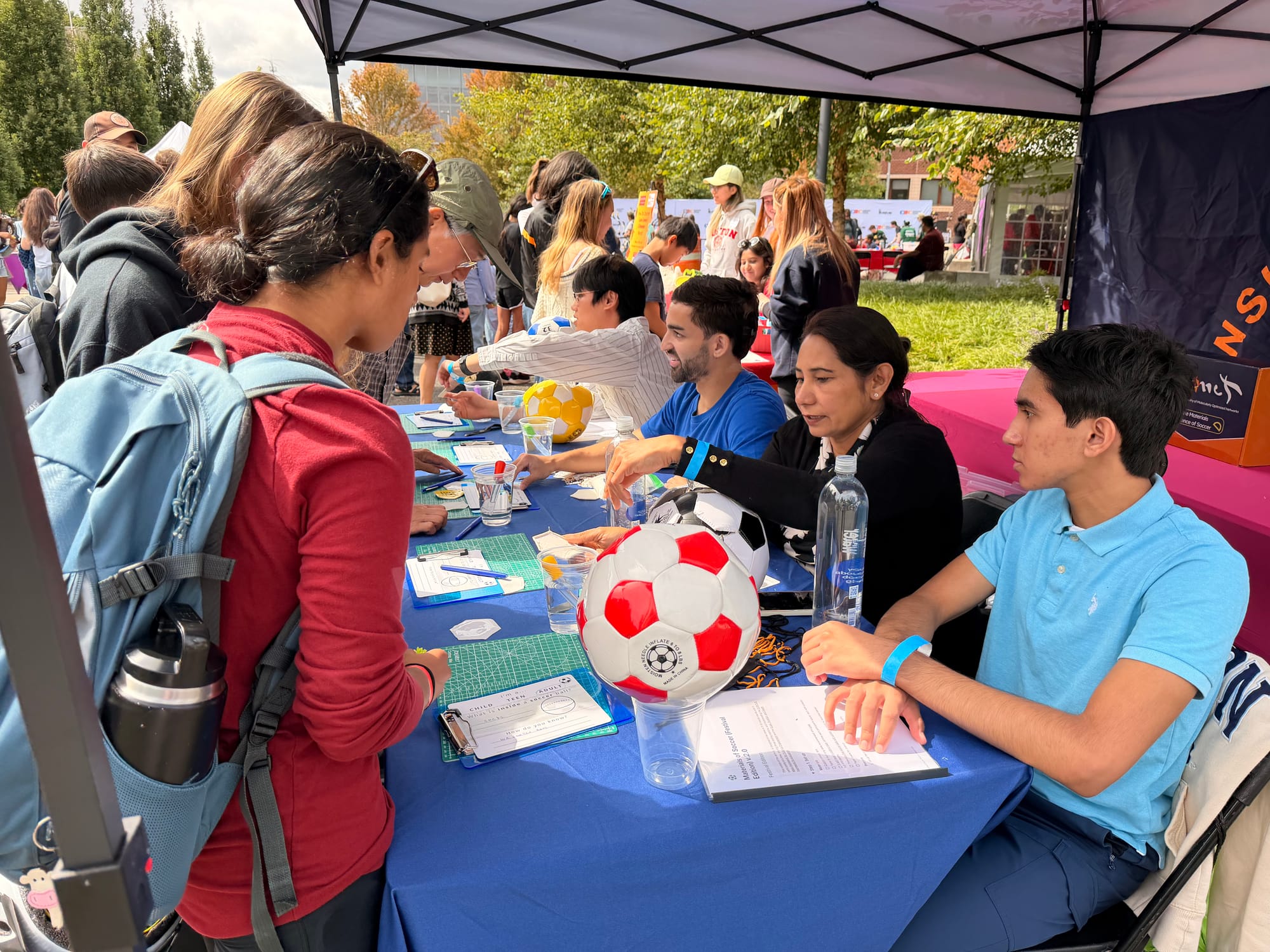
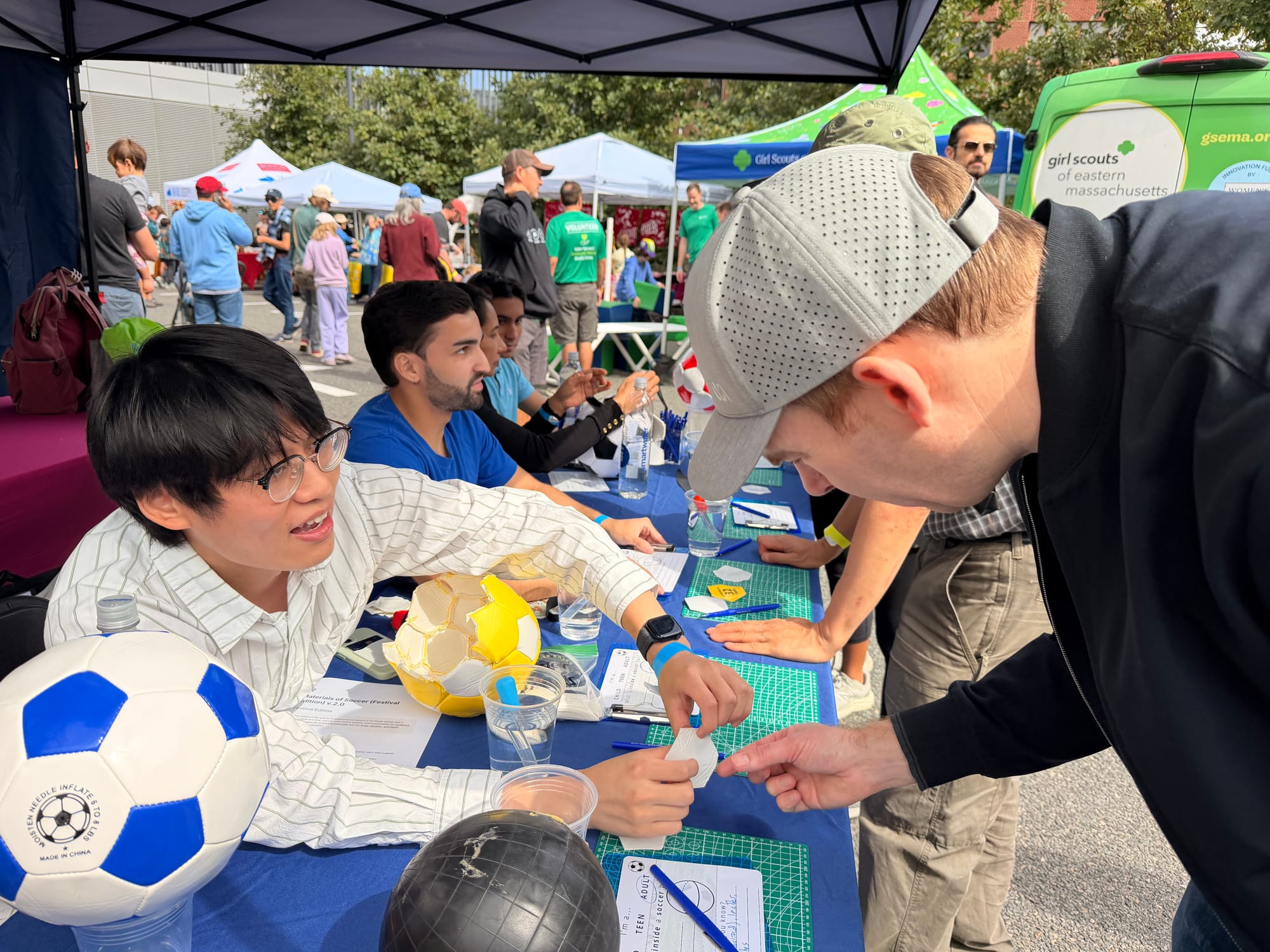
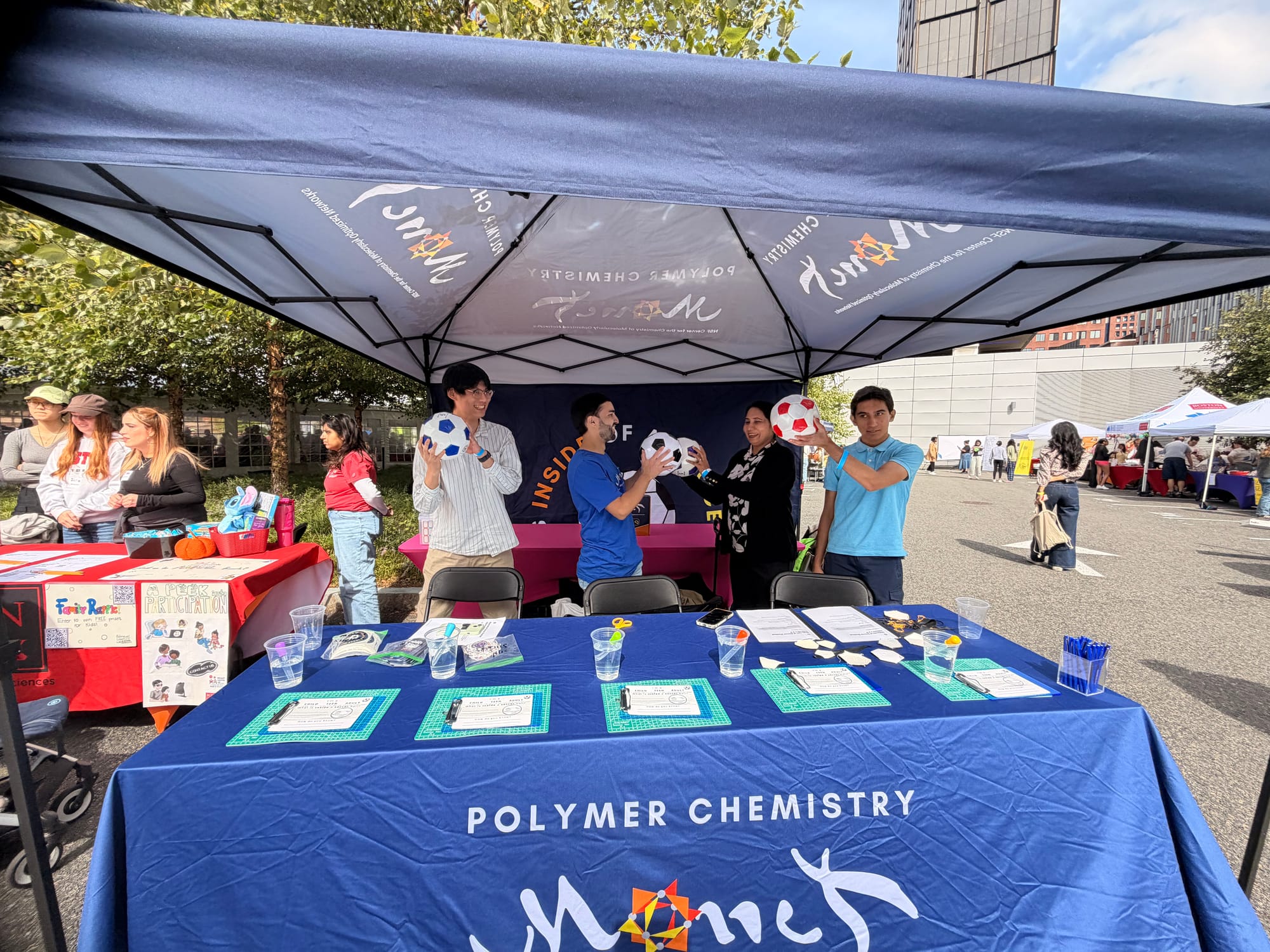
At the Cambridge Science Festival (2024), 250 young participants — mostly ages 5–12 — leaned in close as MONET researchers revealed fabric, foam, and PVC beneath the surface. Their surprise quickly gave way to hands-on exploration, where they tested each material’s properties. For many, this was their first exposure to polymers.
This is the Scale piece of SDD in action: the kit thrives in large-scale public settings, drawing hundreds of children at once, without losing engagement. Yet the science sticks — volunteers noted that children left not just with wide eyes, but with new scientific vocabulary.
Reaching Learners at Every Scale
What makes the kit unique is its adaptability across contexts:
- Elementary STEM Nights: 200+ students at Olive Chapel Elementary (Duke University).
- Targeted outreach: 30 girls (ages 12–18) in San Diego’s BeWISE Program at the Fleet Science Center.
- Community camps: 21 Cleveland youth in partnership with NASA Glenn Research Center, combining STEM lessons with soccer practice.
- Public festivals: 250+ children at Cambridge Science Festival, one booth among 100+ reaching 30,000 visitors.
- Local schools: Small, high-impact classrooms like the 13 students at Obama Academy.
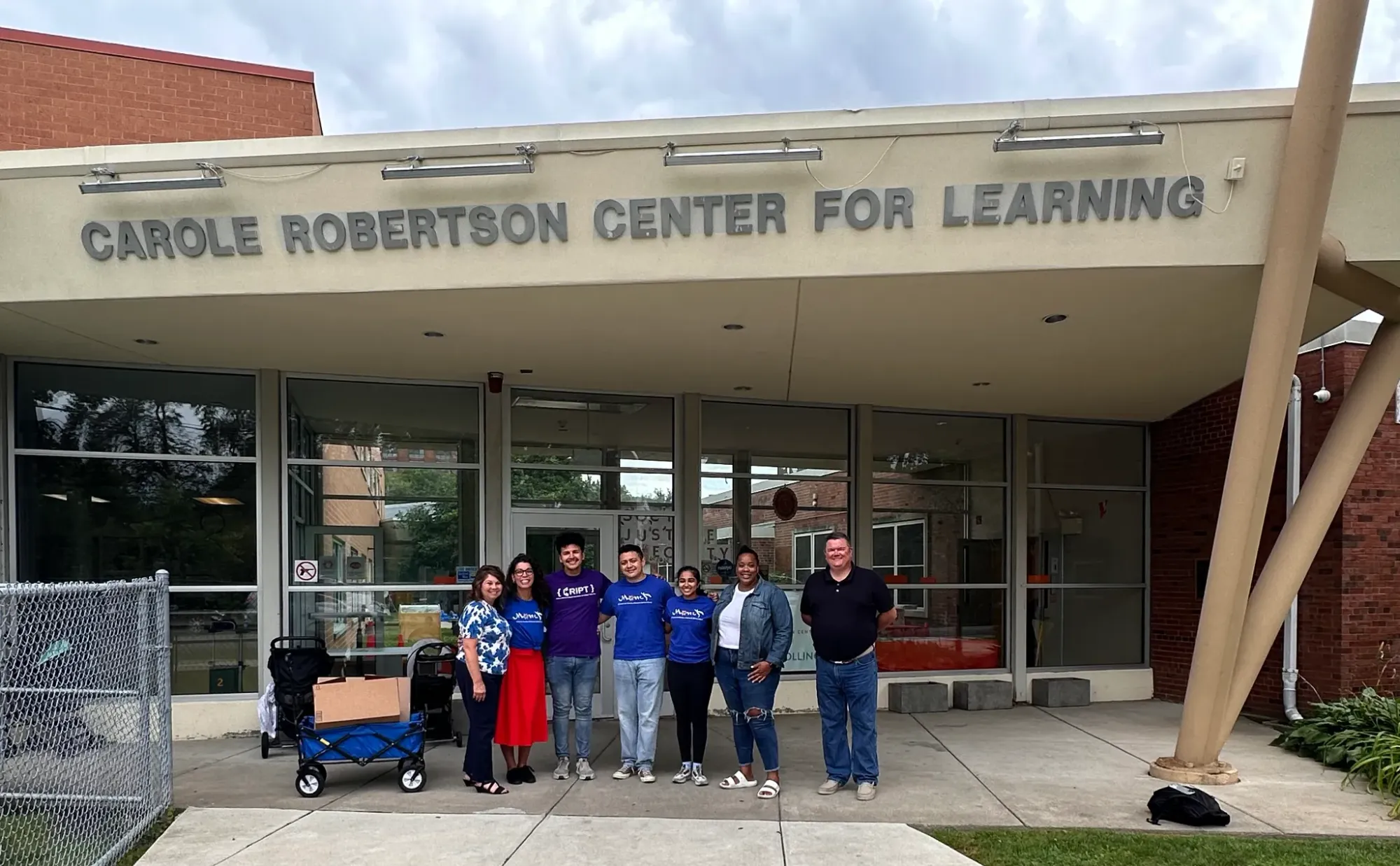
Across these settings, the cumulative reach is close to 10,000 learners in under two years. This demonstrates Scale — the kit succeeds in settings ranging from small classrooms to massive science festivals, without losing its effectiveness.
Why It Works
The kit’s success is grounded in design principles for impactful outreach:
- Relatability – Soccer is universal, lowering barriers to entry.
- Surprise factor – Cutting open the ball delivers an immediate hook.
- Hands-on learning – Stretching foam, testing water repellency, handling the bladder makes abstract concepts concrete.
- Adaptability – The kit scales from preschool to high school, with modifications for each group.
- Documented outcomes – Evaluations consistently show conceptual transformation (Depth) and increased interest in STEM (Duration).
This is why the SDD framework fits so neatly: the kit is designed to meet learners where they are, scale effortlessly across settings, and leave behind lasting impressions.
Beyond the Classroom: Professional Development
The kit also doubles as a Signature Professional Development Experience (SPDE) for MONET trainees. Graduate students and postdocs gain:
- Confidence in science communication.
- Experience tailoring curriculum to diverse audiences.
- Skills in event planning and partnership building.
For example, Christina Hemmingsen (Northwestern) extended her outreach by designing 200 Summer Science Kits for Chicago youth, showing how professional development can ripple outward into community impact.
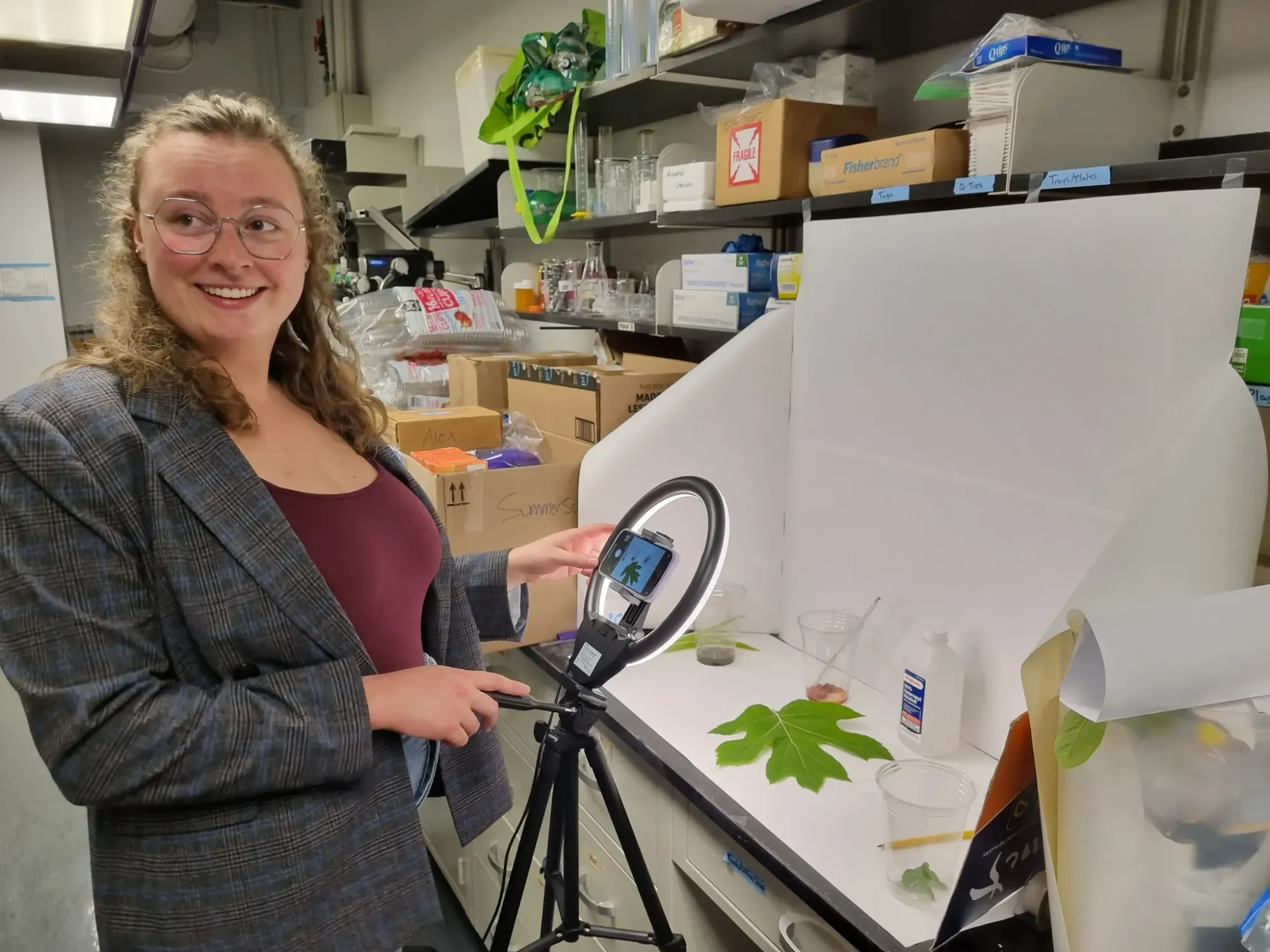
This adds another Duration layer: not only do students benefit, but the scientists leading them grow into more effective communicators, extending the kit’s influence over their careers.
Lasting Impact
The lesson of the Materials Science of Soccer kit is simple but profound: sometimes the best way to teach complex science is to start with the ball already at their feet.
- Scale: nearly 10,000 learners, from 13 in a classroom to 30,000+ at a festival.
- Depth: documented conceptual gains, from “squishy” to “polymer bonds.”
- Duration: ongoing partnerships, repeated programming, and long-term sparks of inspiration.
By combining accessibility, adaptability, and evidence-based outcomes, the kit proves that a familiar object can unlock unfamiliar worlds of science — creating curiosity that lasts long after the event is over.


Member discussion