How can scientists turn complex data into visuals that are clear, accurate, and impossible to misinterpret?
In this special collaboration between Science with Impact Podcast,and the Center for Sustainable Nanotechnology, we share highlights from an interactive workshop co-led by Dr. Miriam Krause, Director of Education and Outreach at the Center for Sustainable Nanotechnology.
Designed for undergraduate researchers, this session went beyond theory to tackle real-world challenges in scientific communication. Students learned how to identify common data visualization pitfalls, apply core design principles, and critically evaluate charts for clarity and accuracy. Unlike typical tutorials, this hands-on approach used intentionally bad examples, having students create their own “what not to do” visuals before building clear, effective versions.
The result? A deeper understanding of how thoughtful design can make research findings more accessible, accurate, and impactful.
🤔 Who is this for?
- Undergraduate and early-career researchers who want to present data clearly and confidently.
- Scientists, educators, and research mentors seeking hands-on strategies to teach data visualization while strengthening students’ science communication skills.
- STEM communicators who need visuals that are accurate, accessible, and engaging for diverse audiences.
📋 What is it about?
Dr. Miriam Krause and Dr. Vanessa Rosa take participants beyond the basics, breaking down real examples of data visualizations—good, bad, and misleading. Using flawed bar charts, pie charts, and box plots, they show how choices in titles, labels, averages, and even colors can shift the meaning of data.
Participants practice identifying when a chart’s signal is being buried by noise, explore how to match chart types to their dataset, and learn why measures like medians can reveal more than averages. The session closes with a demonstration of visualization tools and decision trees that help scientists select the clearest, most accurate way to present their findings.
🔑 Key Takeaway: Clear, accurate visuals aren’t just decoration—they’re a critical part of scientific integrity. By identifying common pitfalls, choosing the right chart type, and protecting the signal from unnecessary noise, researchers can ensure their data is understood exactly as intended.
⌚️ Time Stamps
00:00 Introduction and Speaker Background
00:26 Understanding Visualizations and Color Associations
00:41 Introduction to Data Visualization Techniques
01:00 Detailed Explanation of Dissertation Work
02:12 Improving Bar Charts and Labeling
03:17 Discussion on Appropriate Data Representation
07:43 Signal to Noise Ratio in Visualizations
13:49 Choosing the Right Visualization Tools
19:10 Conclusion and Post-Workshop Survey
📣 Guest:
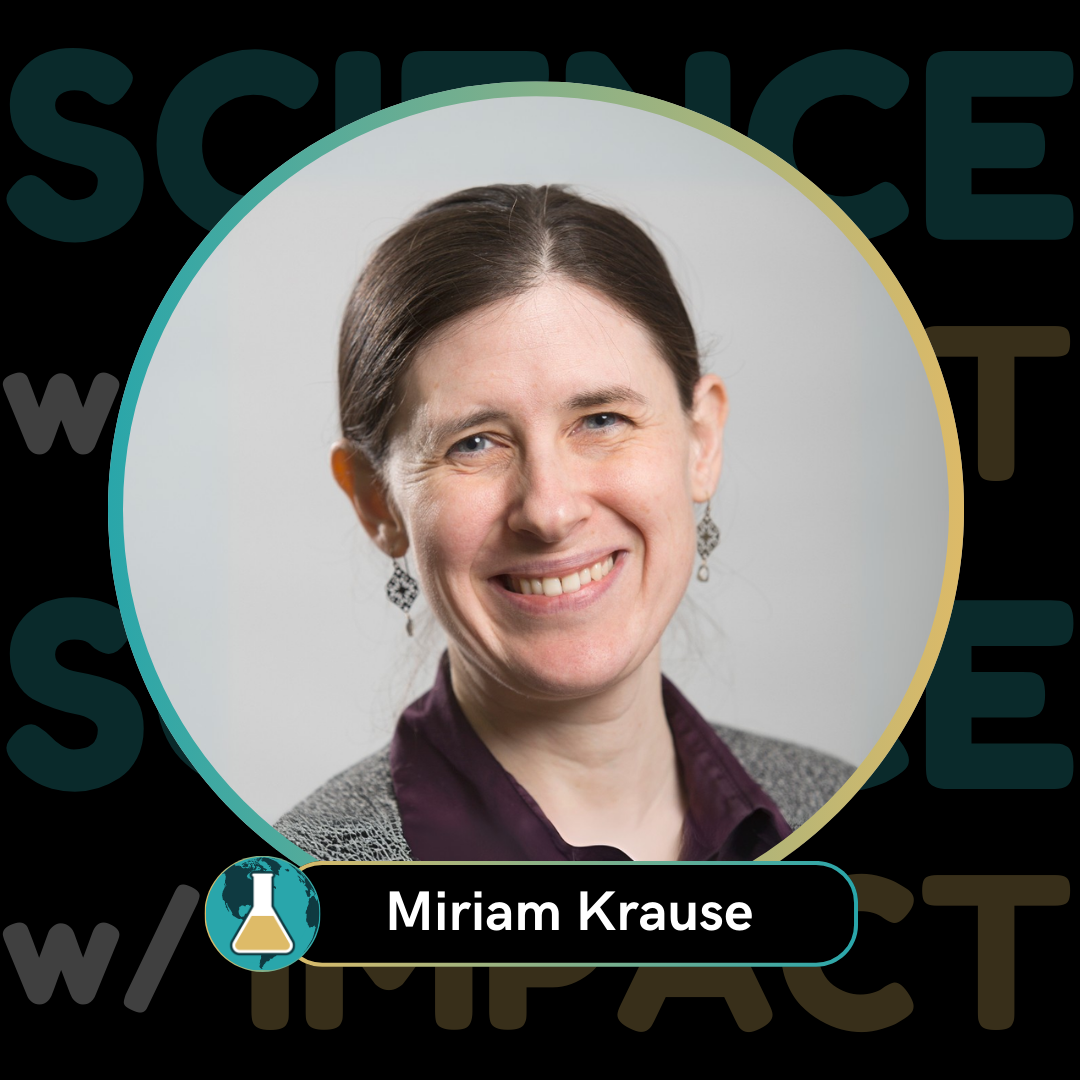
Dr. Miriam Krause | Director of Education and Outreach, Center for Sustainable Nanotechnology

Let's collaborate!
Science with Impact connects science and society by innovating research and education using interactive 3D molecular animation.
Learn More
1. Evidence-based impact measurement and communication.
2. Lasting national and local partnerships with STEM organizations.
3. Impact-centered professional development for students.


Member discussion