
Last year, I wrote a long, lovingly obsessive guide for animating a single dehydration step in Blender: keyframes, materials, scenes, render queues, and a small crisis about whether the sugar was even in the right chair.
 Vanessa Rosa, Ph.D.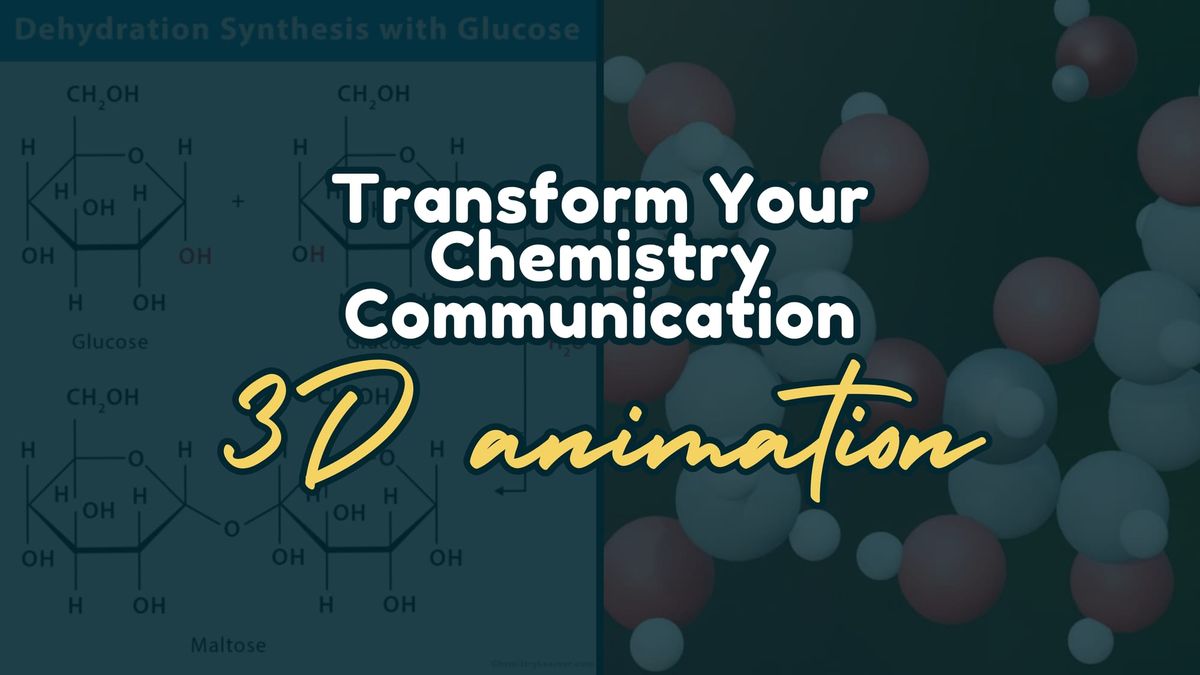
It worked. It also took a LONG time.
So here is the shorter path I wish I could have handed Past Me—except this time the “animation” is not only motion, it is interaction: you build, you collide, you merge, and the valence picture stays honest because the engine is trying to respect the chemistry model underneath.
Step 1: Launch Genesis in the browser
You don't have to download anything or buy anything, just go to:

And with one click, you are inside one continuous universe that can go from atoms and macromolecules.
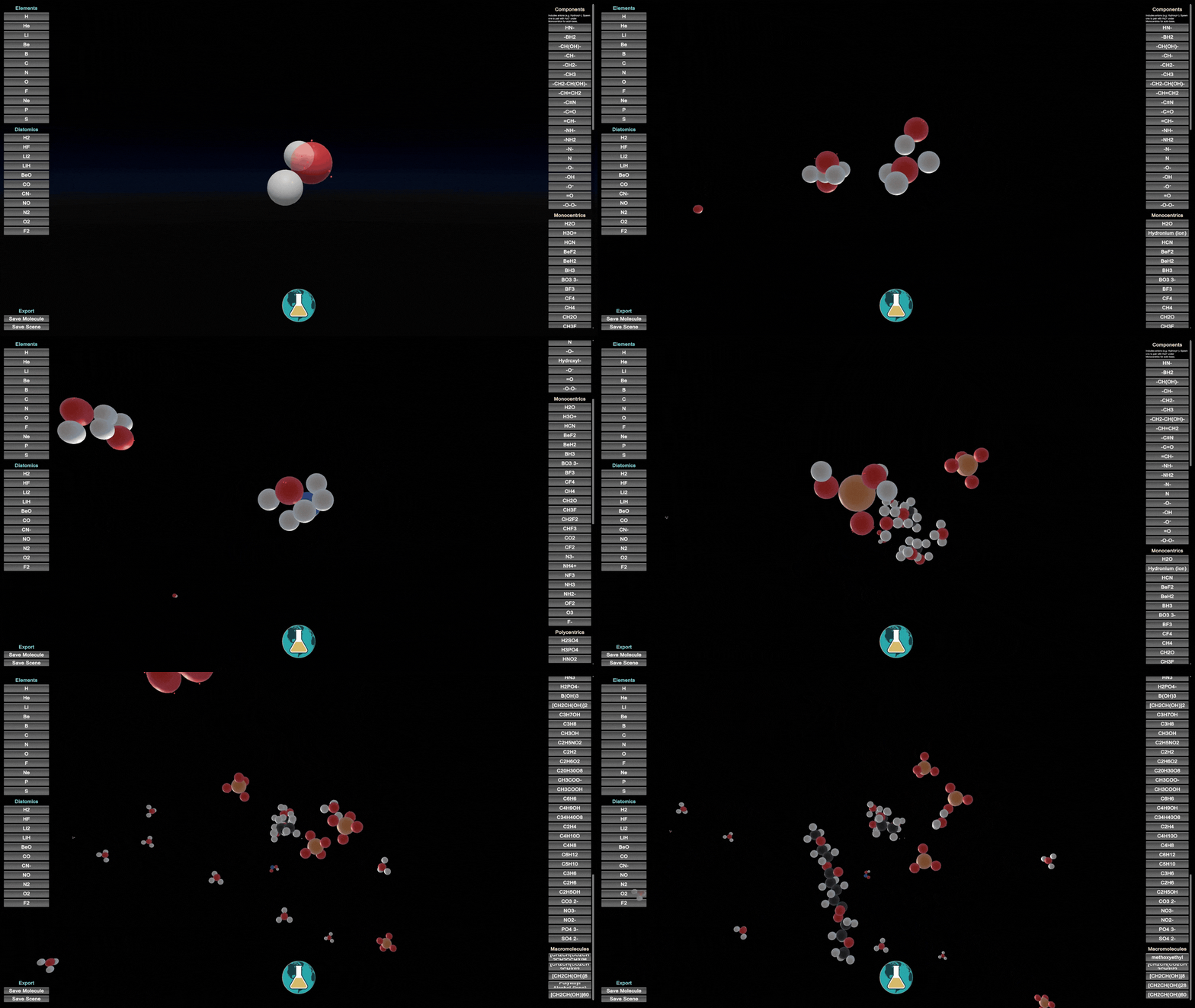
Spawn a structure and watch its electron domains negotiate their own geometry in real-time. It’s like 3D animation but by a chemist, on demand—and you don't have to move a single keyframe.
Step 2: Explore the Interface
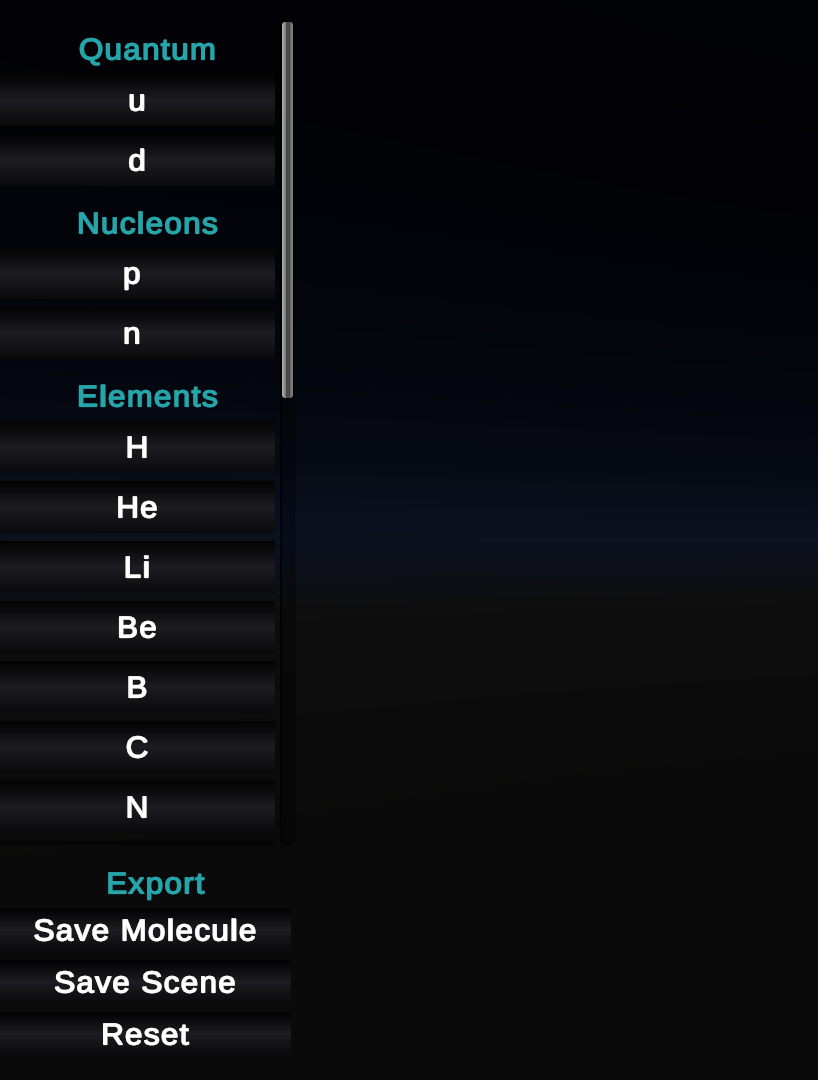
Left Panel
Elements - Spawn elements, explore orbitals, and interact to build structures.
Diatomics - Examine differences in bond order and type for pairs of elements.
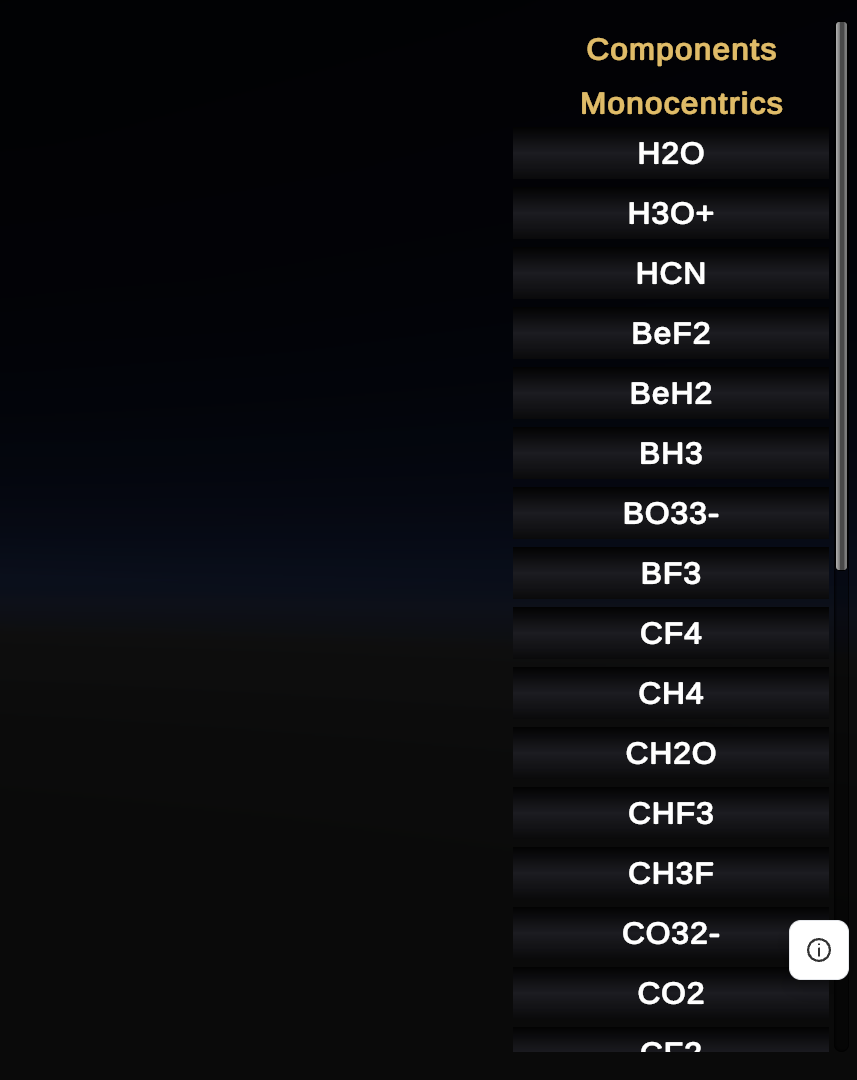
Right Panel
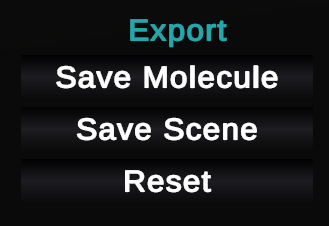
Export
1. Click a chemical species to enter "x-ray mode" see electron orbitals and proton/neutron visuals in the nuclei.
2. Then, click "Save Molecule" to export the structure to JSON/VR.

Search
Type the name or formula of a species to filter the panels and make it easier to spawn structures.
Step 3: Spawn Structures
Spawn whatever you'd like ☺️ but here's some options for you:
- Spawn H and Li to see an ionic bond.
- Form diatomic molecules like H2, O2, and N2 and hover your mouse or click the structure to inspect the differences in bond order.
- Spawn water from 2 H + O as an example of bent geometry + lone-pair motion.
- Under monocentrics, spawn hydronium/ammonium and hydroxide and water the acid-base reactions unfold.
- Spawn methane and molecular oxygens to watch a combustion reaction.
- Spawn cyclic structures like benzene, the various cyclic hydrocarbons to explore ring geometries.
- Spawn a polymer to see the repeating units.
Genesis doesn't just animate molecules; it reveals the elegant, underlying order of the universe. Watching electron domains negotiate their geometry in real-time is a reminder of how beautifully designed the physical world is, right down to the unseen valence shells.
Do you want to make your mechanism interactive?
Interactive 3D Chemistry + Reportable Impact Metrics
Request a Project ConsultStep 4: Export Structures
Save Molecule (one species, frozen pose + full valence motion export)
- Click the molecule in the 3D view to freeze / select it for export (if nothing is frozen, Save Molecule will politely do nothing—exactly like the tooltip says).
- Scroll the left panel to Export → Save Molecule.
- The page should try to open the hosted Genesis Viewer with the same data—watch for pop-up blocking.
- After load, use View in AR using the QR code.
Your turn to explore
Open Genesis, run the two-panel workflow (right to build, left to export), and send me the first scene JSON that made you grin. ☺️
This project has been a labor of love and a constant reminder to me of the Creator's handiwork in the building blocks of life.

We believe that scientific progress should inspire the public, and vice versa. Our mission is to support our colleagues in achieving, measuring, and defending their broader impacts.
Member discussion