Introduction
Research funding increasingly demands demonstrable broader impacts, but many STEM professionals struggle to connect technical work to societal change. The challenge is both conceptual and personal: How do you bring your whole self into STEM when norms encourage erasing your identity? How do you build authentic partnerships while navigating institutional power and funding structures?
This case study draws from a SACNAS NDiSTEM Conference panel where five STEM leaders shared how they transform research into community impact. Their stories move beyond compliance language, showing that "broadening participation" is not just a proposal requirement—it's a pathway to more purposeful, human-centered science.
TL;DR - Five STEM leaders at a SACNAS panel reveal how to transform broader impacts from grant compliance into authentic community engagement.
Key insights: bring your whole identity into science, treat student organizations as research infrastructure, turn geographic isolation into network advantages, support undergraduates with access and permission, and build mentorship that compounds across generations.
The roadmap provides concrete actions for every career stage—from undergraduates finding their passion to administrators designing decade-long pathways—showing how broader participation becomes real when researchers refuse to sever their work from their communities.
Meet the Panelists
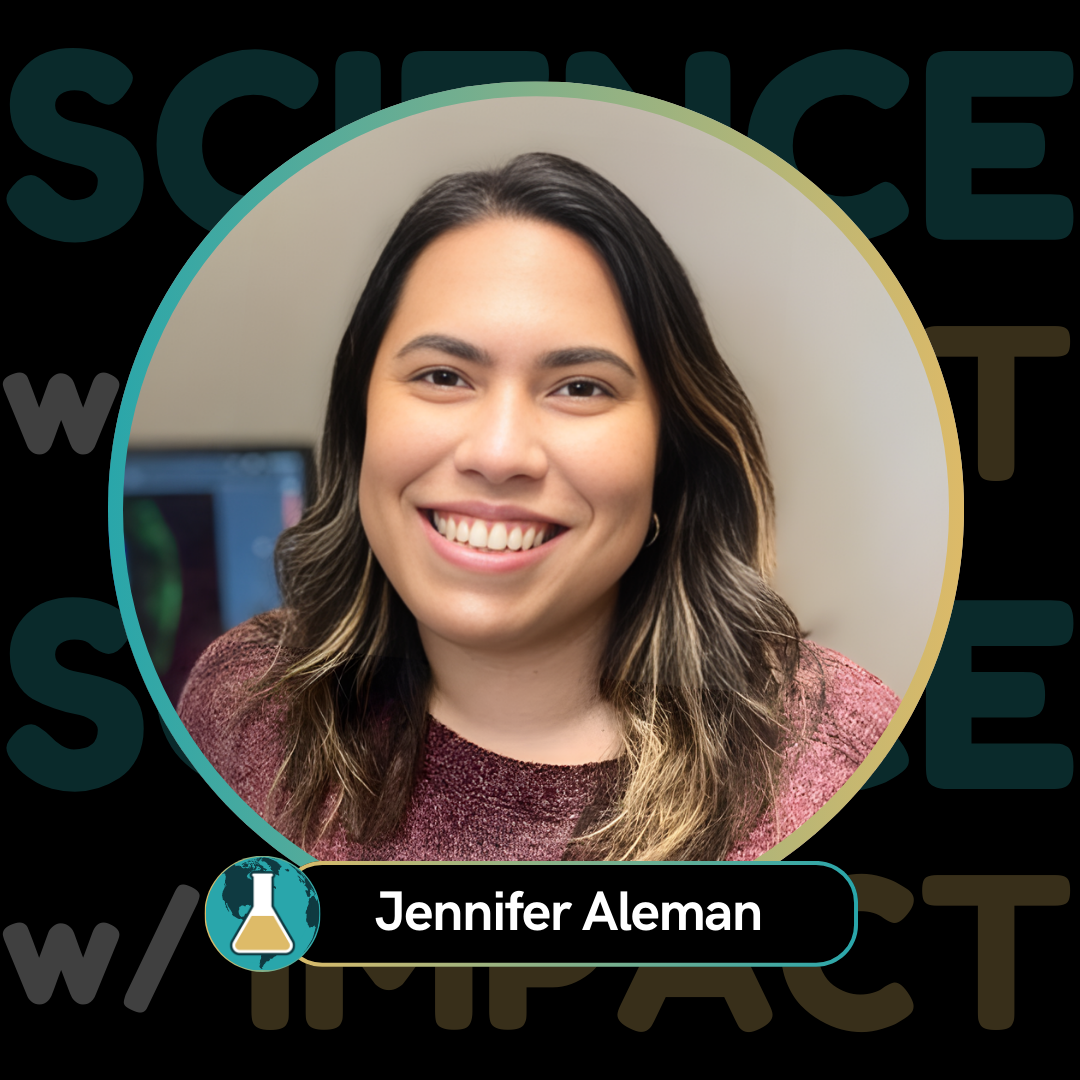
Dr. Jennifer Aleman serves as Science Grant Writer at The College of New Jersey, where she transforms student organization collaborations into compelling grant evidence. Her work demonstrates how authentic partnerships between undergraduate and graduate SACNAS chapters become more fundable than fabricated programs.
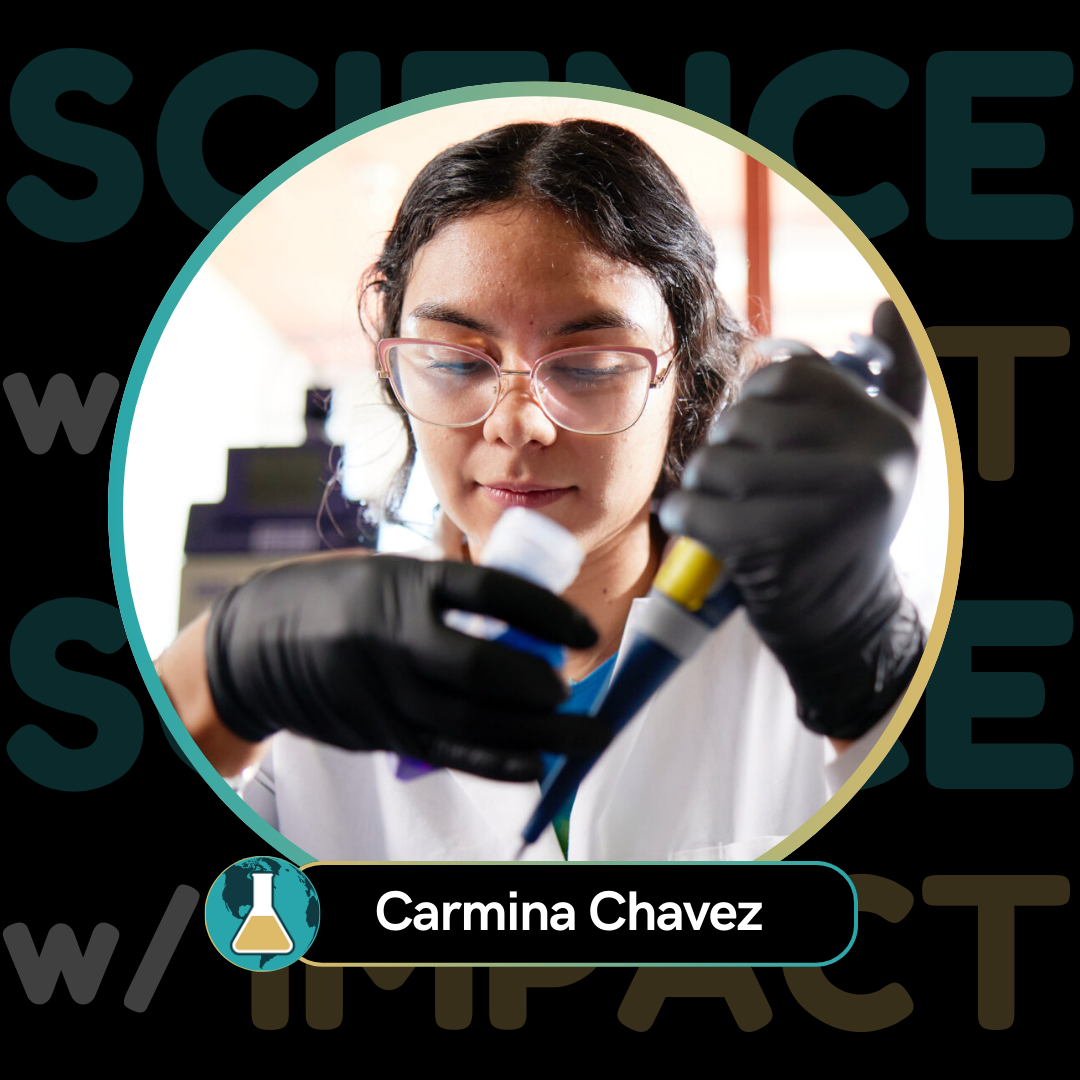
Carmina Chavez, an undergraduate microbiology major at UNLV, works at the Desert Research Institute's STEM education department bringing curriculum and activities directly to Title I schools. Her perspective reveals what motivates undergraduates to engage in outreach and how to reach audiences who don't yet know they belong in STEM.
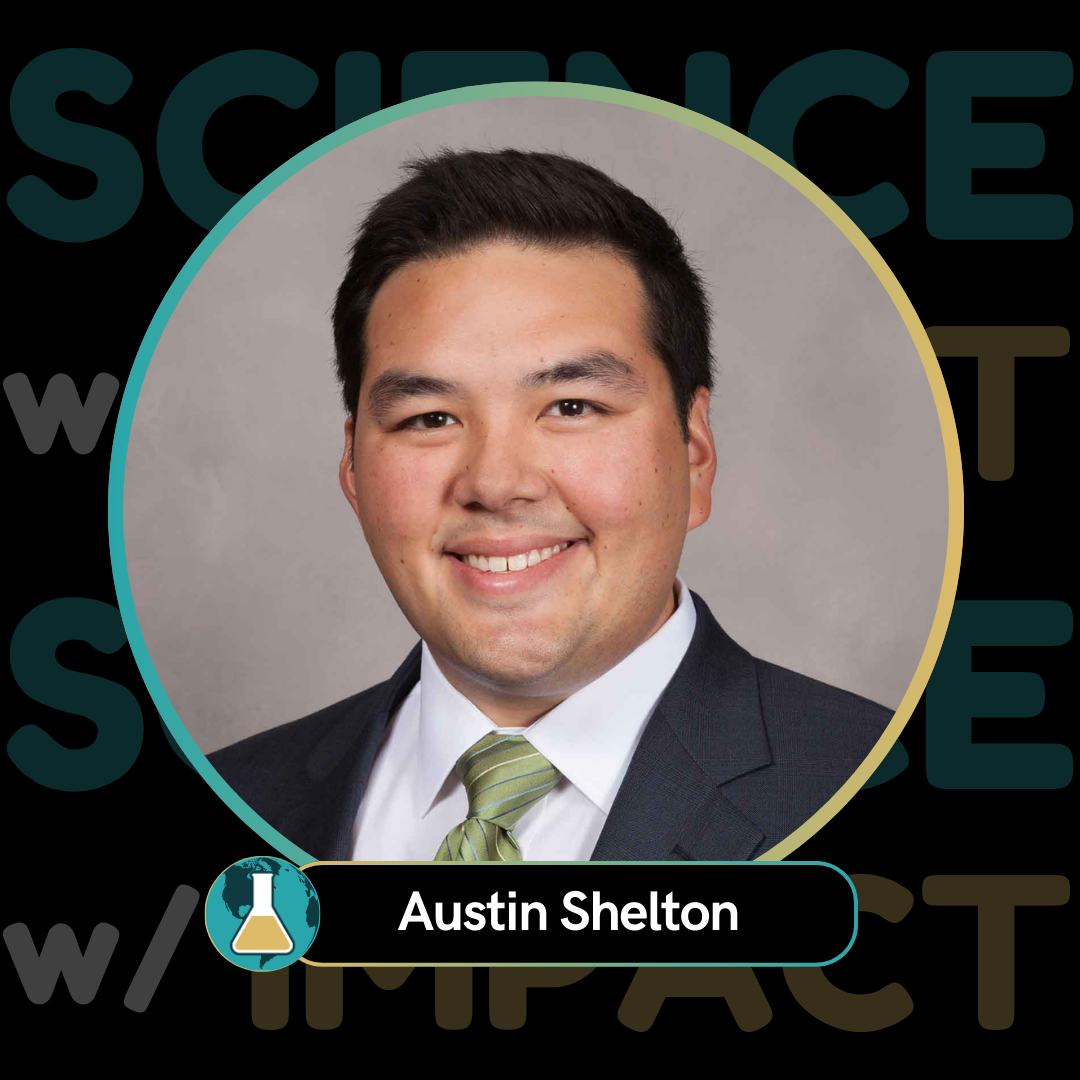
Dr. Austin Shelton III directs the University of Guam's Center for Island Sustainability and Sea Grant, where he's created over 300 research positions for Islander students that never existed before. His work shows how coordinating efforts across geographically distributed communities creates both funding leverage and shared knowledge.
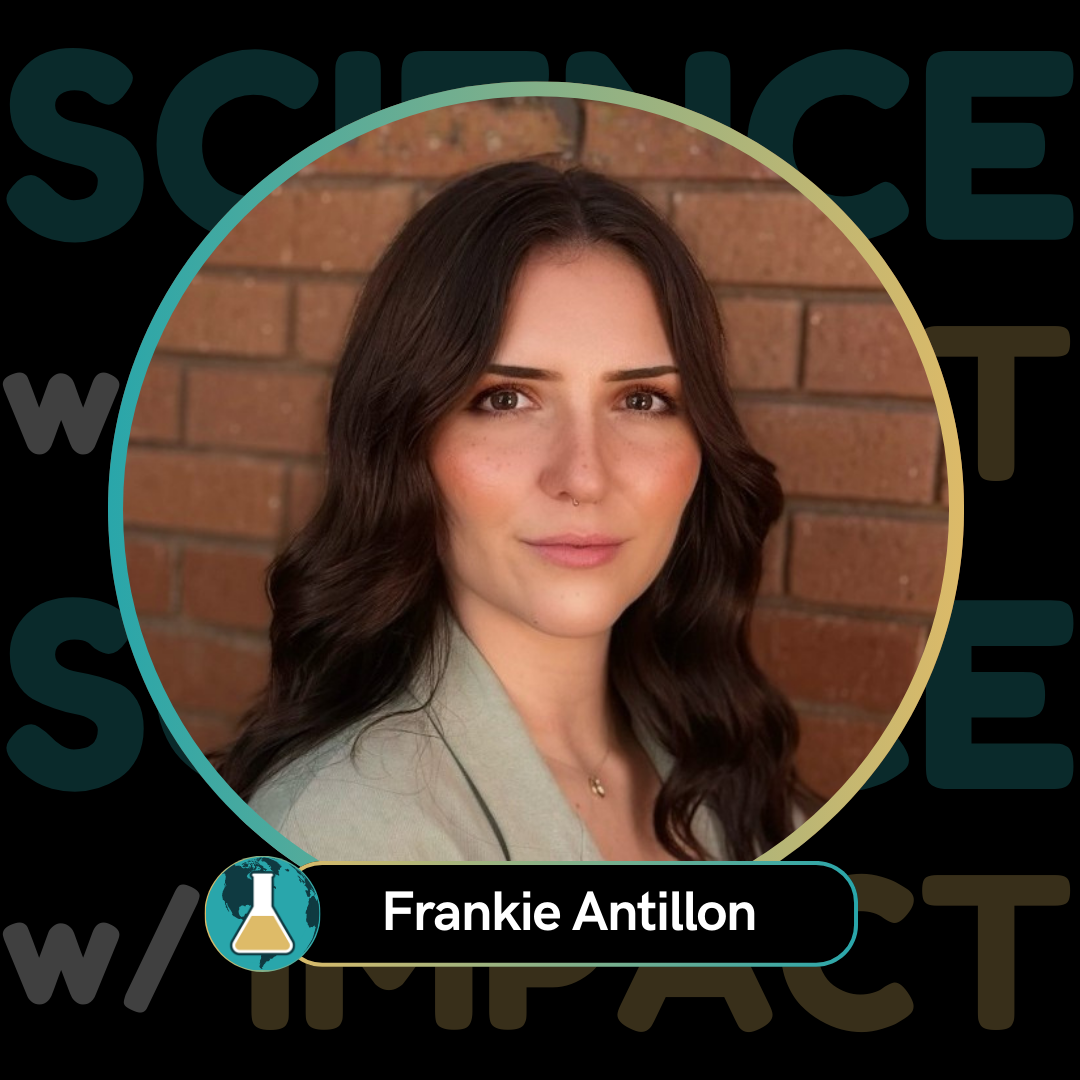
Dr. Frankie Antillon is Director of Outreach and Education for the NSF Center for the Mechanical Control of Chemistry and has personally mentored over 30 students, teaching them to navigate systems while they teach her to be a better mentor. Her work demonstrates how one-on-one relationships create ripple effects that outlast any individual program.
What Makes Broader Impacts Authentic
When Dr. Vanessa Rosa describes her Ph.D. experience as "squeezing into something that didn't fit... At a certain point I just had to bust it wide open," she names the central tension in broader impacts work: you cannot authentically broaden participation while contorting yourself into frameworks that erase your identity.
For researchers, this means broader impacts become real when your work reflects who you are—not when you perform diversity theater for grant reviewers. The ripple effect audiences described isn't about checking boxes; it's about refusing to sever your research from your community.
Student Organizations as Research Infrastructure
Dr. Jennifer Alemán didn't create new outreach from scratch. She treated existing student organizations—specifically SACNAS chapters—as core research infrastructure.Her undergraduate chapter partnered with UPenn's graduate chapter for research tours that became compelling NIH grant evidence: "I specifically put images from this experience into the grant. This is not fake. This is real, authentic."
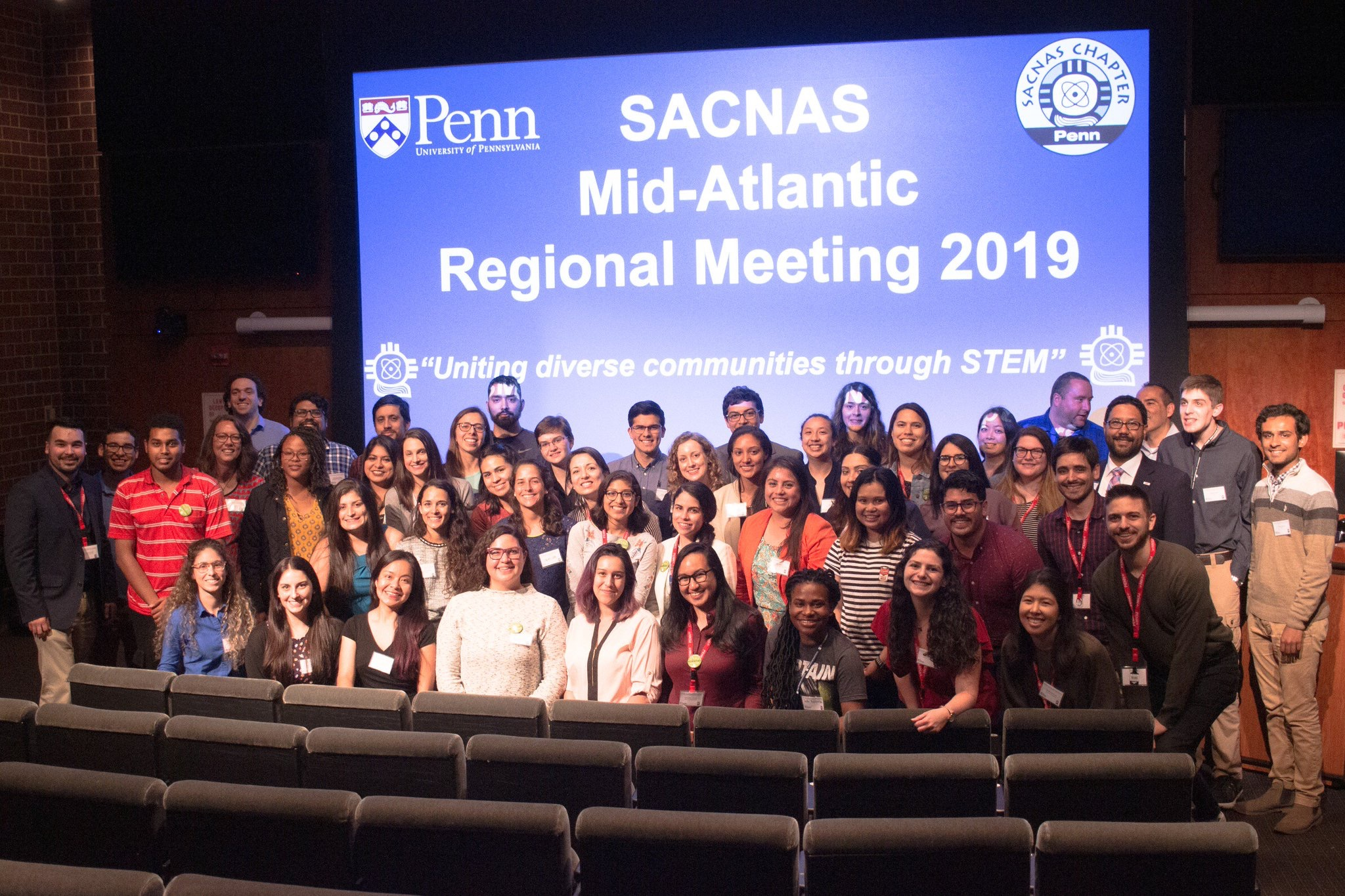
The strategic insight: student organizations already run high-impact activities with minimal resources. Treat them as partners, document authentic collaborations, and budget to sustain them rather than inventing new initiatives.
Geographic Isolation as Strategic Advantage
Dr. Austin Shelton III turned "the tyranny of distance" into a network advantage. By architecting collaborations across Puerto Rico, US Virgin Islands, and mainland institutions, he created over 300 research positions for Islander students—students who bring perspectives from climate change front lines with insights "nobody else might be able to get."
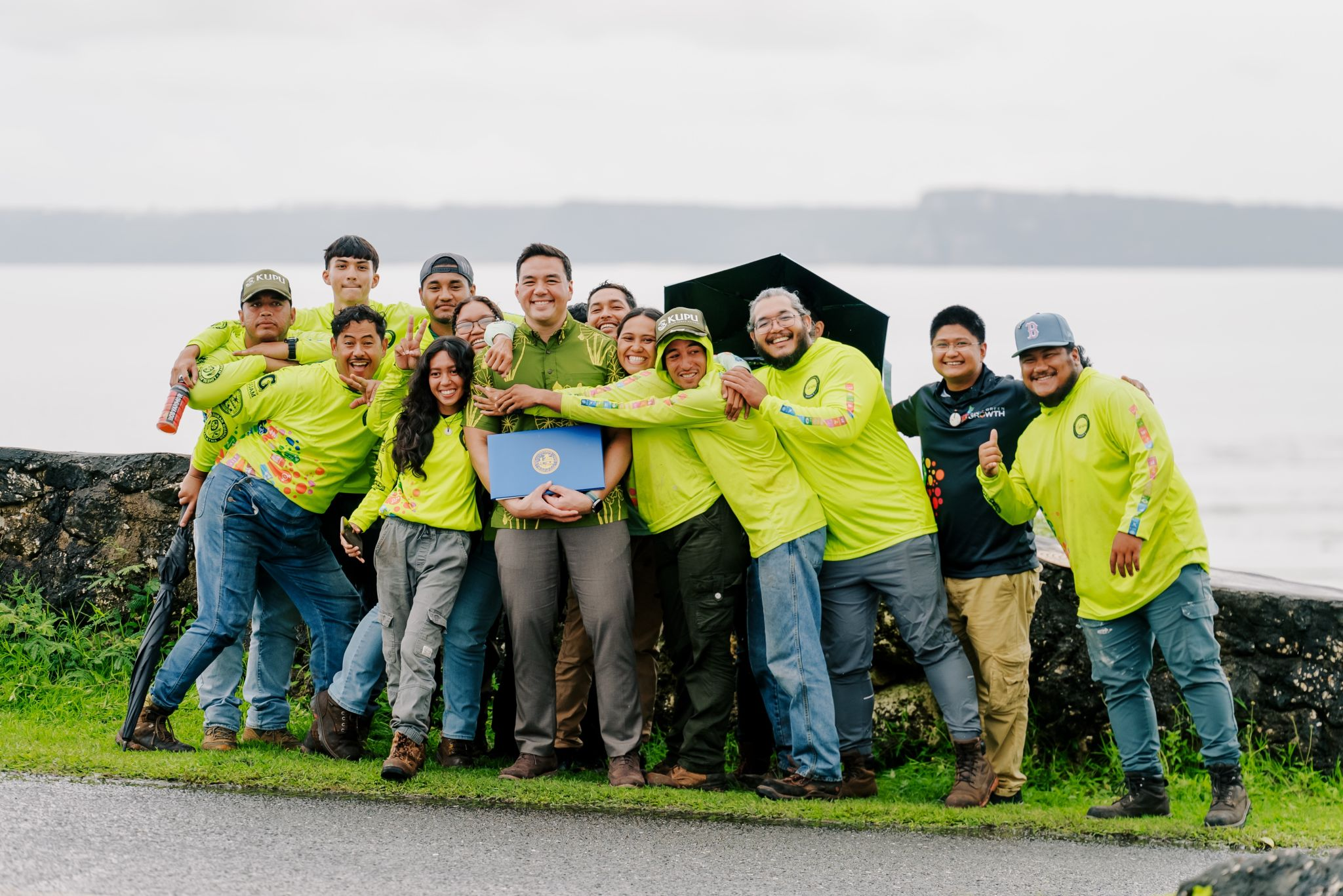
His NSF pitch: "To make it compelling, you gotta do it not just for your own area, but in collaboration with others." Scale means synchronizing efforts across distributed communities facing similar structural barriers.
Undergraduates Need Access, Permission, and Support
Carmina Chávez centers her work on her mother's philosophy: "If I'm taking something from the community, I'm going to give it back."Now developing curriculum for Title I schools, she emphasizes that middle schoolers "may look uninterested, but in reality they are interested."
When undergraduates have access to programs serving communities, permission to see outreach as integral to their training, and support through pay and mentorship, they design culturally grounded impacts more resonant than top-down faculty efforts.
Mentorship as Networked Achievement
Dr. Frankie Antillón has mentored over 30 students, emphasizing first-generation and structurally excluded populations.Her approach: "It's not a failure. You pivot and keep providing support."Students who missed REUs or lost fellowships still defended Ph.D.s, entered medical school, or secured prestigious positions—because sustained presence matters more than single acceptances.
"Broader impacts is so personal. Go find a mentee, go find a mentor. I will be your mentor if you need me."Each mentee becomes a mentor, creating generational cycles that carry this ethos forward.
Key Takeaways
Authenticity Beats Fabrication
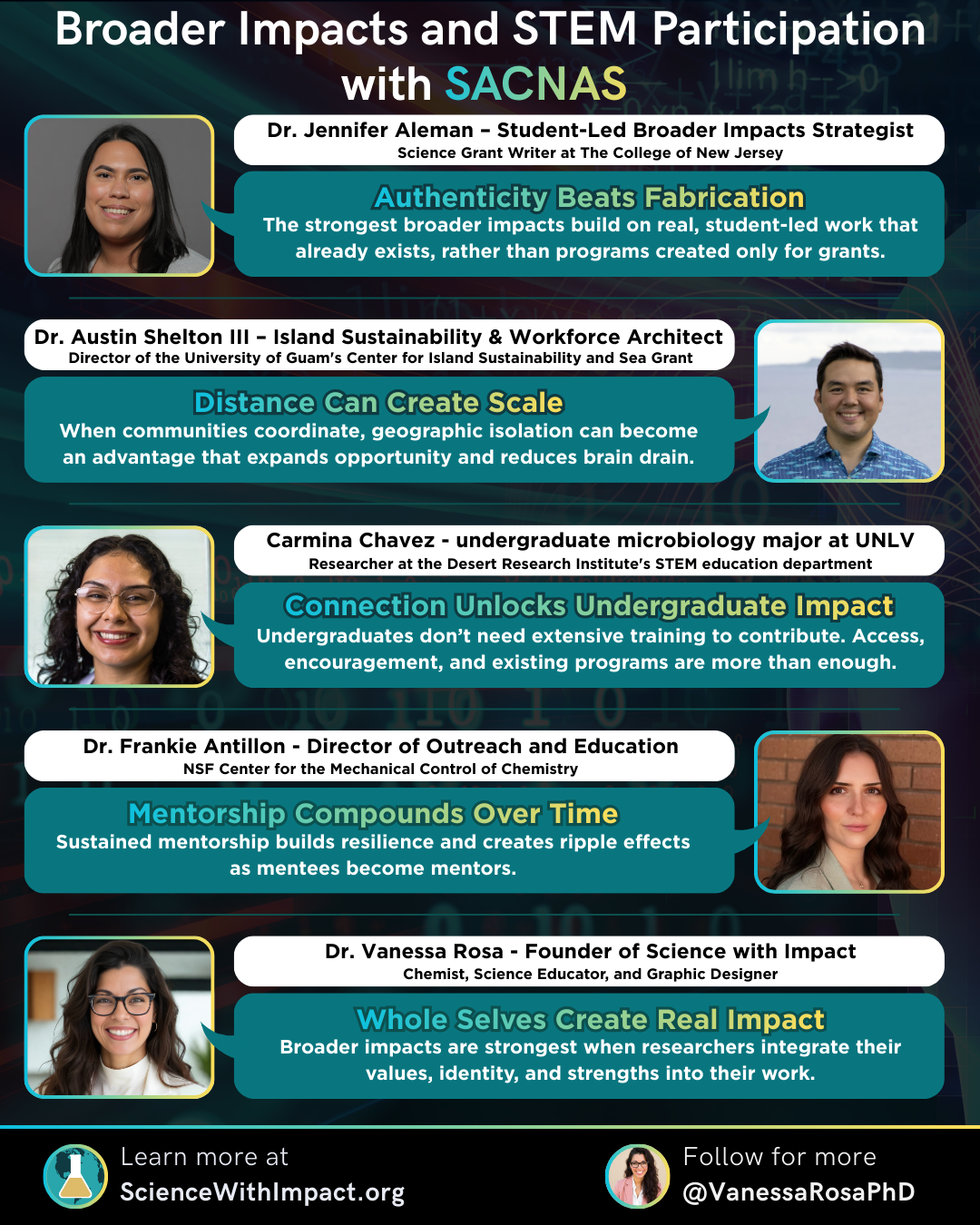
Build on real, student-led work rather than inventing programs for grants. Dr. Aleman included actual photos and narratives from her undergraduate SACNAS chapter's collaboration with UPenn's graduate chapter in her NIH grant—documented evidence of students leading research facility tours. She treated student organizations as core research infrastructure and budgeted to sustain their existing work.
Distance Can Create Scale
Geographic isolation becomes an advantage when communities coordinate. By synchronizing efforts across Puerto Rico, US Virgin Islands, and mainland partners, researchers create training ecosystems that address the "tyranny of distance," ultimately creating hundreds of research positions for students whose perspectives offer insights "nobody else might be able to get."
Connection Unlocks Undergraduate Impact
Undergraduates don't need extensive training to contribute meaningfully. The primary barriers are institutional gatekeeping and lack of coordinated opportunity. When students receive access, explicit permission to see outreach as integral to their training, and support through compensation and mentorship, they design culturally grounded impacts more resonant than top-down faculty efforts.
Mentorship Compounds Over Time
Sustained presence matters more than any single acceptance or rejection. Dr. Antillon's mentoring of over 30 students reveals that students who missed REUs or lost fellowships still defended Ph.D.s, entered medical school, or secured prestigious positions because their mentor maintained support through pivots. Each mentee becomes a mentor, creating generational cycles that multiply impact.
Whole Selves Create Real Impact
Broader impacts work is strongest when researchers integrate their identity, values, and strengths into their science. Dr. Rosa's metaphor: science is water, and your unique skills are the fruit that infuses it with flavor. When researchers bring their visual design skills, community origins, languages, and cultural knowledge into their work, broader impacts transform from compliance exercises into authentic partnerships.
Actionable Roadmap: Broader Impacts at Every Career Stage
This roadmap translates panel insights into concrete steps for researchers at every stage—from undergraduates to administrators. Each section provides immediate action items for writing grants, mentoring students, or designing lasting institutional programs.
Use this field guide to transform "broader impacts" from compliance language into authentic community engagement that honors identity, leverages networks, and creates lasting change.
🎯 Undergraduates: Getting Started
Find your passion through people and places
Broader impacts often begin in spaces where you feel seen—like the Hispanic-majority microbiology lab that led Carmina Chávez to ask how to create more environments where students like her belong.
Action items:
- Attend identity-affirming spaces (e.g., SACNAS, outreach-focused student orgs, local schools or community centers) and volunteer with one existing outreach effort instead of trying to build your own from scratch.
- Write a short origin story (who you are, how you got here, why you care) and use it when you introduce yourself to new partners or student orgs to find audiences that most need your voice.
Engage younger students before you feel "ready"
Students remember your story and presence, not perfect explanations. As Carmina notes, middle schoolers may look uninterested, “but in reality they are interested.”
Action items:
- Take one small role this semester—tabling at a STEM night, helping with a demo, or visiting a single classroom—and observe which moments kids light up.
- Afterward, jot down two things students asked and one thing that resonated, and adjust your next outreach activity based on those specific signals.
🎓 Graduate Students: Deepening Your Impact
Build a mentorship ecosystem—up, down, and sideways
Frankie Antillón calls broader impacts “extremely personal,” rooted in a mentor who never let go; she now mentors 30+ students and sees mentorship as reciprocal: “I am constantly learning.”
Action items:
- Identify at least two mentors (one for technical growth, one for career/emotional support) and set a recurring check-in with each, while also committing to at least one mentee you meet with regularly.
- Keep a simple shared document or notebook where you note your mentee’s goals and how they’re progressing, so each conversation builds on the last.
Normalize pivoting, not failure
Frankie’s stories include shifting plans and unexpected outcomes; her lesson is simple: “It’s not a failure. You pivot and keep providing support.”
Action items:
- When a mentee’s plan falls through, schedule a “pivot meeting” within a week focused only on new options (Plan B, C, or D) rather than what went wrong.
- Share one personal story of redirection with each mentee over the year so they see that even successful scientists have had to change course.
👩🏫 Faculty: Amplifying Student-Led Impact
See student organizations as partners, not add-ons
Jennifer Alemán shows how organizations like SACNAS become engines of broader impacts when faculty treat them as collaborators. Her grad school tours became the backbone of a successful NIH grant.
Action items:
- Meet at least once per year with leaders of groups like SACNAS, SHPE, AISES, or NSBE to ask what they’re already doing and what support (funding, space, travel) would let them go further.
- Build at least one grant or course-based project around a student-led activity (e.g., grad tours, outreach days), naming the student org as a formal partner
Turn authenticity into competitive broader impacts
Reviewers can tell when broader impacts are performative; Jennifer’s T34 Bridges proposal succeeded because it showcased real, ongoing collaborations and photos—“not a fake thing we made up for this check box.”
Action items:
- Start a shared folder for your group where you drop photos, agendas, student quotes, and brief reflections after every outreach or mentoring event.
- In your next proposal, explicitly frame new broader impacts as scaling or deepening those documented activities rather than inventing something entirely new.
🏢 Research Centers & Administrators: Making Impact Durable
Design for decades, not for the next report
Many programs highlighted at SACNAS trace back to grants written 5–20 years ago; as Austin Shelton notes, impact is rarely immediate, but “something ought to change.”
Action items:
- Map at least one possible pathway that starts in high school and ends in an early-career role for your domain, and align your existing programs to fill gaps along that path.
- Add a simple alumni follow-up (e.g., annual survey or reunion call) for one flagship program to begin building a longitudinal picture of outcomes.
Navigate political and funding realities with integrity
Panelists use “camouflage language” like “broadening participation” to keep equity work fundable while staying rooted in justice-oriented goals.
Action items:
- Review your current broader impacts language and revise one key document (e.g., your center’s boilerplate) to integrate funder-friendly terms while staying true to your equity commitments.
- Establish at least one internal forum (retreat, working group, or affinity space) where staff can speak plainly about equity goals, separate from proposal language constraints.
🎨 For Everyone: Claiming Your Unique Contribution
Infuse your science with your unique "fruit"
Vanessa offers a metaphor: science is water, and your unique skills are the fruit infusing it with flavor. Her fruit is visual design; she uses it to make chemistry more inviting.
Action items:
- Choose one non-technical strength (e.g., storytelling, visual design, organizing, language skills) and design a single small project this year that intentionally uses it to share your work.
- Update your CV or biosketch to include this “fruit” as part of your broader impacts toolkit, not just as a hobby.
Lead with your story—and recognize it as resistance
A geoscientist’s choice to add diverse co-hosts turned their YouTube series into a mirror where kids could say, “That could be me,” echoing Vanessa’s line: “Simply by existing, you are resisting.”
Action items:
- Draft an age-appropriate version of your story and commit to sharing it at least twice this year (in a talk, classroom visit, video, or article) with audiences who rarely see themselves in STEM.
- After each time you share it, ask one person what resonated most and note those themes so you can refine how you tell it the next time.
Final Thoughts
The conversations at SACNAS NDiSTEM remind us that broader impacts aren't separate from who we are—they're an expression of it. When you bring your authentic identities, communities, and passions into your scientific work, impact becomes inevitable rather than effortful.
The panelists' experiences reveal a common thread: the most transformative broader impacts start small, stay rooted in genuine relationships, and compound over time. Whether you're an undergraduate discovering your voice in K–12 classrooms, a faculty member partnering with student organizations, a mentor teaching resilience through pivots, or a center director building networks across oceans, your contribution matters.
In a landscape where funding and political winds shift, what remains constant is this: your presence in science is itself resistance. Your willingness to share your story opens doors for others. Your decision to stay connected to communities that shaped you creates pathways that didn't exist before.
Broader impacts aren't about doing more—they're about being intentional with what you're already doing and amplifying the work already happening around you. Start where you are. Partner with those already in motion. Trust that small acts accumulate into transformed landscapes.
And remember: you don't have to do this alone. Whether through organizations like SACNAS, collaborative networks across institutions, or frameworks and support from Science With Impact, there are spaces where you can be loud, take strategic risks, and build impact that outlasts any single grant cycle.
The question isn't whether you can make an impact. It's what becomes possible when you decide to lead with your whole self.
Thank You
This case study is grounded in the generosity and candor of the panelists and participants at SACNAS NDiSTEM. Deep thanks to:
- Dr. Jennifer Alemán, for modeling how student-led partnerships can become the backbone of competitive training grants.
- Dr. Austin Shelton III, for showing how island communities can transform geographic isolation into a powerful networked advantage.
- Carmina Chávez, for reminding the field that undergraduates are not just beneficiaries of broader impacts but designers and leaders of it.
- Dr. Frankie Antillón, for illuminating mentorship as one of the most profound, personal forms of broader impact.
If you are navigating broader impacts challenges in your own work and would like tailored support, Science With Impact offers consulting, frameworks, and training to help research teams measure, communicate, and scale their societal impact. You can schedule a conversation to explore what that might look like for your lab, center, or network.
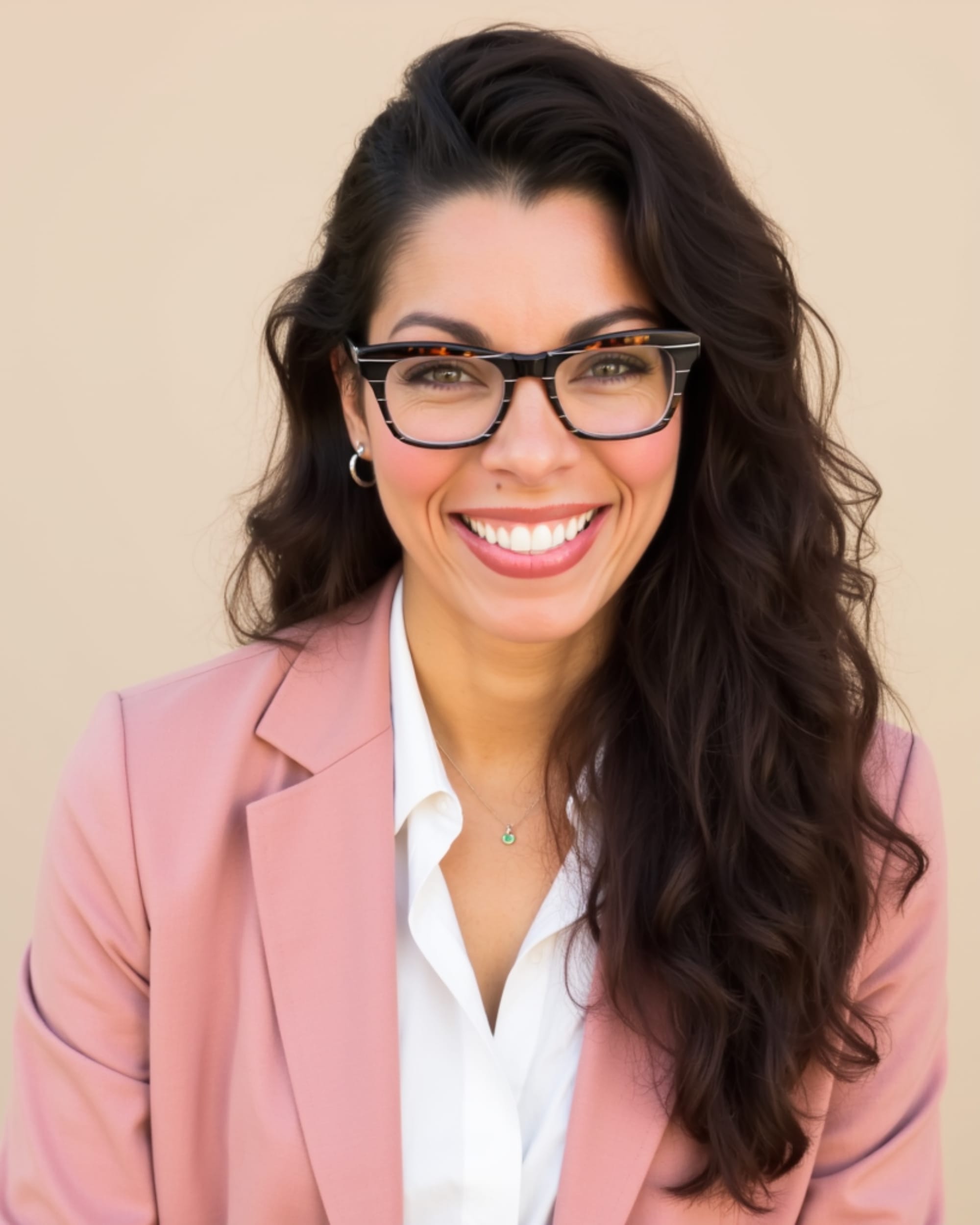
Let's collaborate
Schedule a meeting with our founder, Dr. Rosa, to explore how we can help broaden your impact.
Learn More
1. Evidence-based impact measurement and communication.
2. Lasting national and local partnerships with STEM organizations.
3. Impact-centered professional development for students.


Member discussion